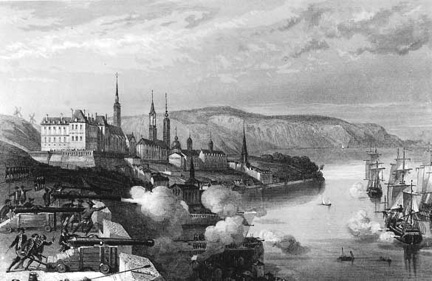
411 B.C.E.: Lysistrata Was a Right-On Woman
In Aristophanes’ play, Lysistrata, Greek women refused to have sex with their war-mongering husbands until they agreed to stop fighting, and they provided an early example of war tax resistance.
Magistrate: What in Zeus’ name do you mean by shutting and barring the gates of our own Acropolis against us?
Lysistrata: We want to keep the money safe and stop you from waging war.
Magistrate: The war has nothing to do with money.
Lysistrata: Hasn’t it? Why are Peisander and the other office seekers always stirring things up? Isn’t it so they can take a few more dips in the public purse? Well, as far as we are concerned, they can do what they like; only they’re not going to lay their hands on the money in there.
Magistrate: Why, what are you going to do?
Lysistrata: Do? Why, we’ll be in charge of it.
Magistrate: You in charge of our finances?
Lysistrata: Well, what’s so strange about that? We’ve been in charge of you’re your house keeping finances for years.
Magistrate: But that’s not the same thing.
Lysistrata: Why not?
Magistrate: Because the money purse is needed for the war!
Lysistrata: Ah, but the war itself isn’t necessary.
—From Aristophanes, Lysistrata (411 B.C.), translated by Alan H. Sommerstein, Penguin Classics, reprinted in the Peace Tax Campaign Newsletter from Great Britain.
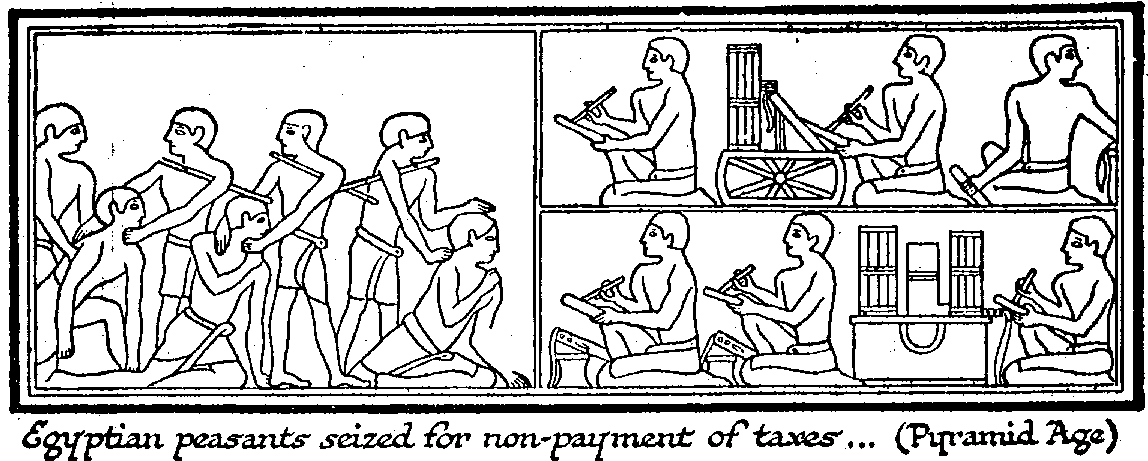
200 B.C.E.: Egypt
Collective tax refusal was reported in Egypt.
1197 C.E.: St. Hugh of Lincoln St.
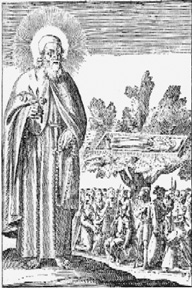 Hugh refused to pay a tax to fund Richard the Lionhearted’s war against the King of France. All his property was seized.
1500s: Dutch Wars
Many people refused to pay a special war tax imposed on the Dutch to finance the wars of Philip II, King of Spain and Duke of Holland.

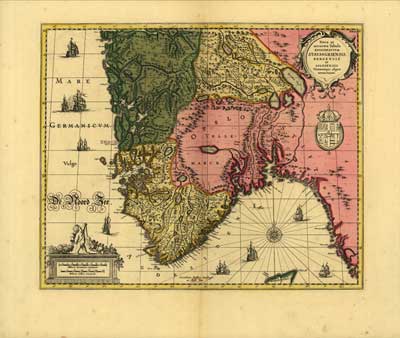
1515: Danish Taxes
Norwegian peasants refused to pay tax increases levied by the Danish king to support his war against Sweden. They killed the tax collectors.
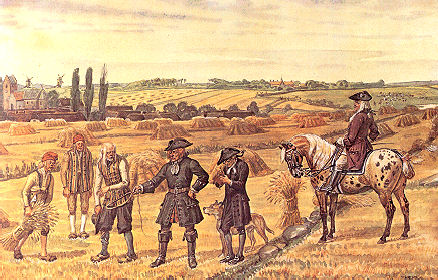
1630s: Norway
There was a widespread movement against paying taxes in Norway.
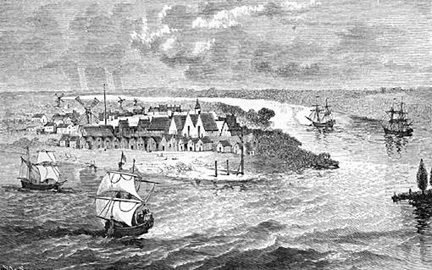
1637: Native Americans
Algonquins opposed taxation by the Dutch to improve a local Dutch fort.

Mid-1600s: Humanists
A group of humanists in the Netherlands refused to pay taxes due to their opposition to violence.
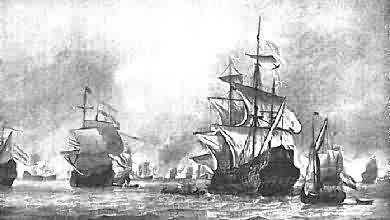
1672: Quakers in America
Quakers refused tax payments for the repair of fortifications in New York at the beginning of the Anglo-Dutch War.
1689: Pennsylvania Colony
The Quaker Assembly in charge of the Pennsylvania Colony was resistant to appeals for funds to aid in King William’s War.